
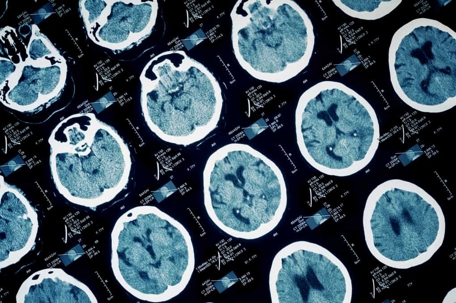
Traumatic brain injury (TBI) is an increasingly common condition that can lead to serious and long-lasting neurological, cognitive, and physical challenges. A new report from the National Academies of Sciences, Engineering, and Medicine calls for the current TBI categories to be updated in order to provide better guidance for patient care.
The report also recommends a more comprehensive approach to measuring the outcomes of TBI care and suggested that research focus on finding better treatments for this often-debilitating condition. Read on to learn more.
The Current Definitions Are Too Outdated
The report noted that current definitions of mild, moderate, and severe TBI are too broad and outdated. The National Academies recommended updating the diagnostic criteria to include specific symptoms such as headaches, balance problems, vision problems, difficulty concentrating, or difficulty understanding words or instructions. This would provide clinicians with greater guidance in diagnosing and treating TBI patients.
In addition, the report called for the development of standardized metrics for measuring both short-term and long-term outcomes from TBI care. These metrics should go beyond traditional physical assessments to include measures that capture cognitive deficits and changes in neurologic function. It's important to understand how TBI affects a patient’s physical and mental health over time in order to develop more effective treatments.
Better Treatments Are Needed
The report also highlighted the need for better treatments for TBI patients, especially those with long-term or severe injuries. The National Academies called for increased federal funding of clinical trials that focus on finding new therapies that address both physical and psychological aspects of TBI.
In addition, they suggested developing better screening tools that could help clinicians determine which patients are at greater risk for developing serious complications from TBI, so interventions can be put in place earlier rather than later.
We’re Here to Help TBI Victims
If you’ve suffered a TBI as a result of negligence, we’re here to help you recover the damages you deserve. Don’t delay—reach out right away to learn how we can help.
Call our Los Angeles attorneys at (866) 634-4525 or contact us online to get in touch with someone from our team about the details of your case right away. We will fight to recover your full and fair compensation.