
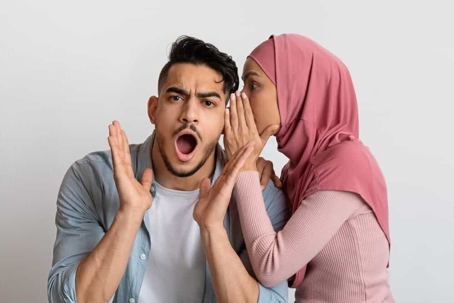
When someone says or publishes something false about you and the statement amounts to calculable damages to your reputation, you may have a case against them for defamation.
Libel occurs when the untrue statement is made in writing, and slander occurs when the statement is made verbally.
To better understand what kinds of actions are punishable under defamation laws, read on to learn about three examples.
#1 - A single-sided story with critical details omitted.
You may be able to hold someone accountable for defamation if your reputation is damaged as a result of a one-sided story with critical details left out.
Take the case of Davyne Dial. Her business associate made a Facebook post about her that accused her of getting drunk and killing her own child.
The statement was untrue. Dial’s son lost his life in 1976 in an unintentional shooting while playing with another child when he was 11 years old. Davyne had no involvement in her son’s death.
Dial sued her accuser for $500,000 in damages.
#2 - Harm to your reputation resulting from bullying, harassment, shaming, or stalking.
Social media makes it easier than ever for bullies to abuse their victims. This abuse can occur in several ways, including (but not limited to):
- When the details of a private conversation are ousted and your reputation is harmed as a result.
- Someone anonymously posts untrue statements about you with intentions to damage your name.
#3 - Accusations of unethical or dishonest behavior.
It is unlawful for someone to state you’ve acted unethically or dishonestly if it is defamatory.
For example, your colleague tells another you had too much to drink at a bar and got thrown out, but that didn’t actually happen. The false news gets around and soon enough your boss hears about it. If your job is on the line, or if you get passed up for a raise, you may be able to hold the negligent person accountable for defamation.
We’re Here to Help
It is unacceptable to have your reputation harmed as a result of another’s untruthful statements. If it has happened to you, we may be able to help. Don’t hesitate to reach out to our office with your questions right away.
If you have been negatively impacted by defamation, call our Los Angeles attorneys at (866) 634-4525 or contact us online. We will fight to recover your full and fair compensation.